
What We Do
A Place to Participate, Grow, and Belong
Southern Oregon Compass House gives adults living with mental health conditions opportunities to rebuild confidence, develop practical skills, form meaningful relationships, and pursue personal goals.
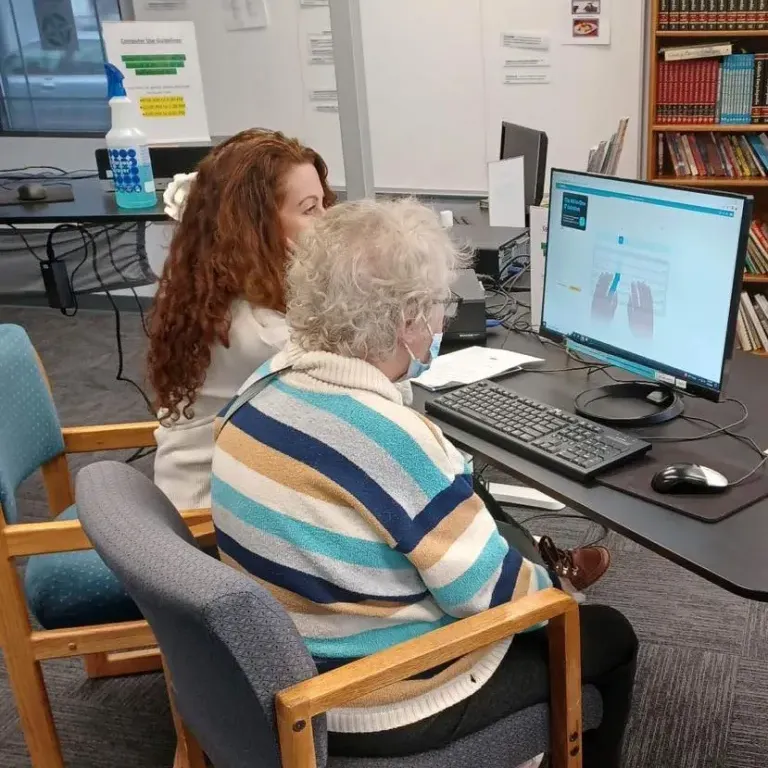
Members and staff work side-by-side to complete the real work of operating the Clubhouse. Every activity offers an opportunity to contribute, learn, and become more connected to the wider community.
Why Clubhouse?
Recovery involves more than managing symptoms.
People also need relationships, dependable routines, meaningful responsibilities, and opportunities to participate in community life.
The Clubhouse model provides a supportive environment where members are welcomed as active participants rather than patients or clients. Members choose how they participate and work toward goals at their own pace.
- Belonging: Members become part of a community where they are welcomed, expected, and valued.
- Meaningful Work: Daily responsibilities help members rebuild routines, confidence, practical skills, and a sense of purpose.
- Supportive Relationships: Members and staff work together, form lasting connections, and encourage one another’s progress.
- Opportunities for Growth: Members can pursue employment, education, wellness, leadership, and greater independence.
Our Programs
Compass House activities are organized into three collaborative program areas.
Members may participate in one or several areas depending on their interests, skills, and personal goals.
Business & Member Services
Build practical skills through the administrative, financial, communication, outreach, and customer-service work that keeps Compass House operating.
Culinary & Wellness
Prepare meals, develop transferable culinary and hospitality skills, and participate in activities that support whole-person wellness.
Education & Employment
Receive practical support while pursuing education, vocational training, volunteer opportunities, or paid employment.
Who Qualifies?
To become a member, individuals must: